
Household waste disposal is a critical aspect of modern living, impacting both the environment and public health. With increasing urbanization and consumption, managing waste efficiently has become more important than ever. This article explores practical strategies for effective household waste disposal, helping you reduce your environmental footprint while maintaining a clean and healthy home.Understanding the types of waste generated in households is the first step toward proper disposal. Common categories include:
- Organic Waste: Food scraps, yard trimmings, and other biodegradable materials.
- Recyclables: Paper, cardboard, glass, metals, and certain plastics.
- Hazardous Waste: Batteries, electronics, chemicals, and medications.
- Non-Recyclables: Items that cannot be recycled or composted, such as certain plastics and contaminated materials.
Proper segregation of these waste types is essential for efficient disposal. Here are some actionable steps to improve your household waste management:
- Set Up Separate Bins: Designate bins for organic waste, recyclables, and non-recyclables. Label them clearly to avoid confusion.
- Compost Organic Waste: Composting reduces landfill burden and creates nutrient-rich soil for gardening. Use a compost bin or pile for food scraps and yard waste.
- Recycle Correctly: Rinse containers before recycling and check local guidelines for accepted materials. Avoid wish-cycling (placing non-recyclables in recycling bins).
- Dispose of Hazardous Waste Safely: Take batteries, electronics, and chemicals to designated drop-off locations. Never throw them in regular trash.
- Reduce Waste Generation: Opt for reusable products, buy in bulk, and avoid single-use items to minimize waste.
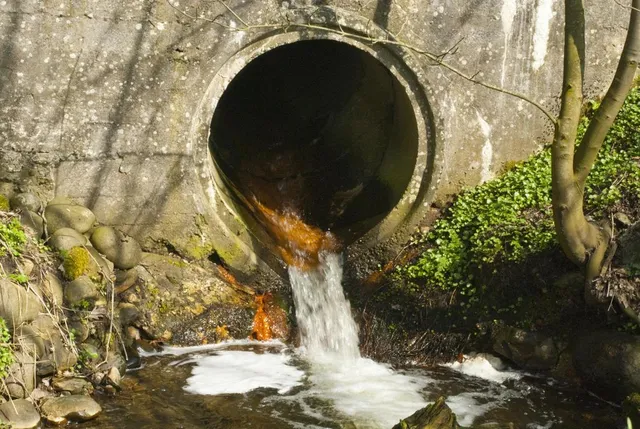
Innovative technologies are also transforming household waste disposal. For example, smart bins with sensors can monitor waste levels and optimize collection schedules. Additionally, community composting programs and waste-to-energy plants are gaining popularity as sustainable solutions.Educating family members about waste disposal practices is equally important. Encourage children to participate in recycling and composting activities to foster lifelong eco-friendly habits. Small changes, like using cloth bags instead of plastic ones, can collectively make a significant impact.In conclusion, effective household waste disposal requires a combination of proper segregation, recycling, composting, and reducing waste generation. By adopting these strategies, you can contribute to a cleaner environment and a more sustainable future. Start small, stay consistent, and inspire others to join the movement toward responsible waste management.