
Medical facility cleaning services are essential for maintaining a safe, hygienic, and compliant environment in hospitals, clinics, and other healthcare settings. Unlike standard cleaning, these services require specialized knowledge, techniques, and products to meet stringent health regulations. In this article, we’ll explore the importance of professional medical facility cleaning services, best practices, and the benefits they offer.Why are medical facility cleaning services different from regular cleaning? Healthcare environments are high-risk areas where pathogens, bacteria, and viruses can easily spread. Proper cleaning and disinfection are critical to preventing healthcare-associated infections (HAIs) and ensuring patient safety. Here’s what sets medical facility cleaning apart:
- Strict Compliance: Cleaning must adhere to guidelines from organizations like the CDC, OSHA, and EPA.
- Specialized Disinfectants: Use of hospital-grade disinfectants effective against pathogens like MRSA, C. diff, and COVID-19.
- High-Touch Surface Focus: Frequent disinfection of doorknobs, bed rails, and medical equipment.
- Waste Management: Proper handling and disposal of biohazardous materials.
Best practices for medical facility cleaning services include:
- Developing a Customized Cleaning Plan: Each facility has unique needs based on size, patient volume, and specialty (e.g., surgical centers vs. dental clinics).
- Training Staff Thoroughly: Cleaning personnel should be trained in infection control, chemical safety, and proper PPE usage.
- Using Color-Coded Tools: To prevent cross-contamination, use different-colored cloths and mops for distinct areas (e.g., red for restrooms, green for general spaces).
- Implementing ATP Testing: Adenosine triphosphate (ATP) testing verifies surface cleanliness by detecting organic residue.
- Scheduling Frequent Deep Cleaning: Beyond daily cleaning, periodic deep cleaning of vents, upholstery, and hard-to-reach areas is crucial.
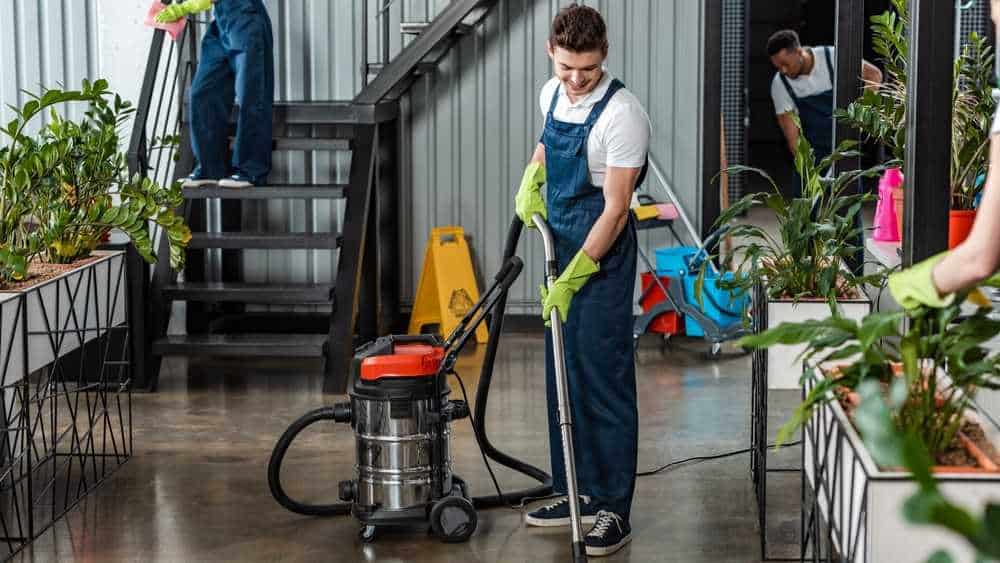
The benefits of hiring professional medical facility cleaning services are numerous:
- Reduced Infection Rates: Proper cleaning lowers the risk of HAIs, improving patient outcomes.
- Regulatory Compliance: Avoid fines and penalties by meeting healthcare cleanliness standards.
- Enhanced Reputation: A clean facility boosts patient trust and satisfaction.
- Cost Savings: Preventing infections reduces readmissions and liability costs.
- Staff Productivity: A sanitized environment promotes employee well-being and efficiency.
In conclusion, medical facility cleaning services are a non-negotiable aspect of healthcare operations. By partnering with experienced professionals, healthcare providers can ensure a safer, healthier environment for patients and staff alike. Investing in high-quality cleaning not only meets regulatory demands but also fosters trust and improves overall care quality.